Exploring Parks and Recreation Opportunities Nearby
Parks and recreational spaces are vital community assets that not only enhance the quality of life but also promote physical health and social interaction. This article delves into the local parks and recreation opportunities available in many neighborhoods across the United States, offering insights into their benefits and how to make the most of these spaces.
The Importance of Parks in Communities
According to the National Recreation and Park Association, parks play a crucial role in fostering community engagement and improving public health. Access to green spaces has been linked to numerous health benefits, including reduced stress levels and increased physical activity. Research indicates that communities with well-maintained parks often see a decline in obesity rates and an increase in overall happiness.

"Green spaces not only enhance aesthetic appeal but also improve the mental and physical health of community members." - National Recreation and Park Association
Types of Parks and Recreation Opportunities
In most neighborhoods, a variety of parks and recreation facilities can be found, typically categorized into:
- Community Parks: These parks often serve as gathering spaces and offer amenities such as playgrounds, sports fields, and picnic areas.
- Nature Reserves: These areas focus on preserving natural habitats and offer trails for hiking, bird watching, and educational programs about local wildlife.
- Recreational Centers: Community centers often provide a variety of programs, including fitness classes, sports leagues, and cultural events.
Maximizing Your Park Experience
To make the most of local parks and recreation opportunities, consider the following tips:
- Research Local Amenities: Many parks offer unique features such as splash pads for children, dog parks, or dedicated cycling paths. Understanding what is available can help tailor your visits.
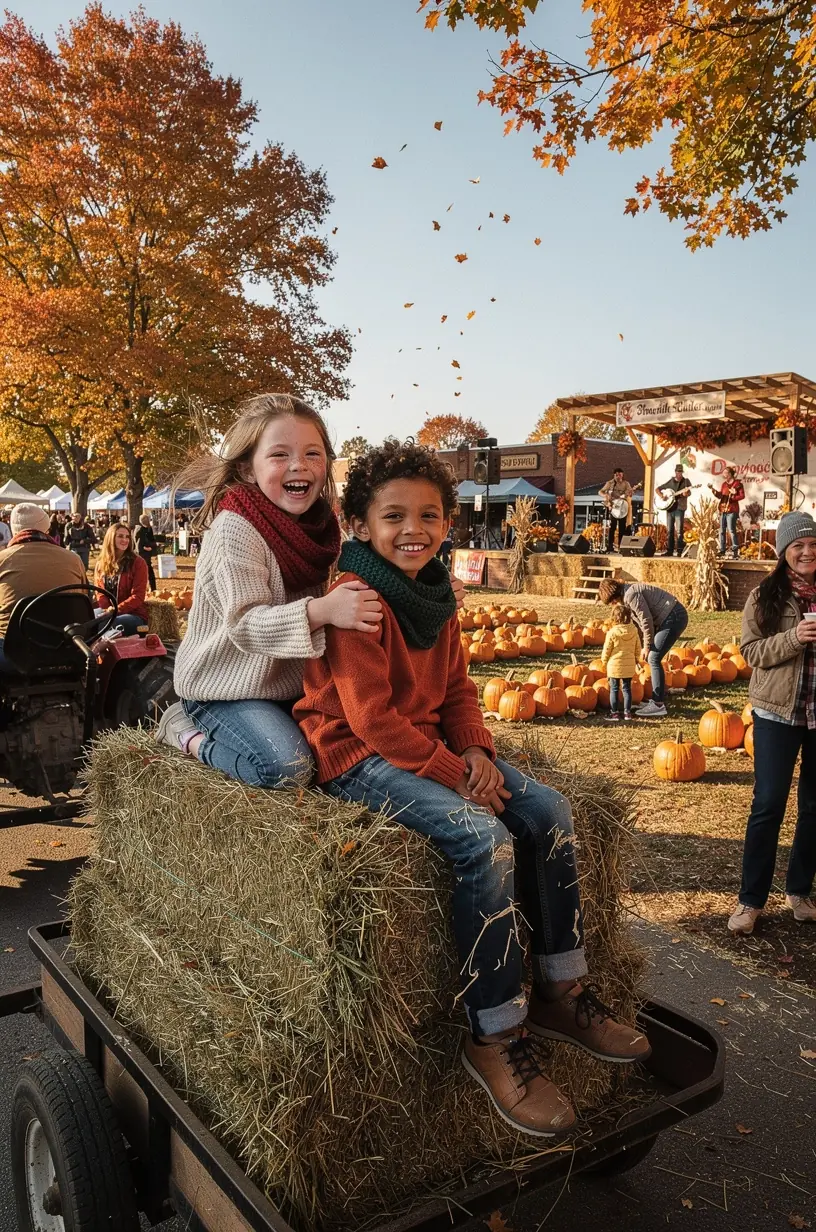
- Participate in Community Events: Local parks often host seasonal events, workshops, and outdoor concerts. Engaging in these activities can enhance your connection to the community.
- Utilize Available Resources: Many local parks have online platforms or community boards that provide information about ongoing programs, classes, and volunteer opportunities.
Challenges and Considerations
While parks and recreational facilities offer numerous benefits, there are some challenges worth noting. Maintenance of these spaces can be inconsistent, and availability may vary depending on funding and local government priorities. Engaging with local policymakers and advocating for park improvements can often lead to better resources and enhanced community spaces.
Conclusion
Exploring parks and recreation opportunities in your neighborhood can significantly enrich your life and foster community connections. By understanding the various types of parks and actively participating in local events, you can contribute to a healthier, more vibrant community. Remember that while access to parks typically improves well-being, the overall experience is shaped by community involvement and advocacy for sustainable park management.
Learn More