How to Participate in Community Meetings
Engaging in community meetings is an essential way to influence local development and foster connections within your neighborhood. This article outlines practical steps to effectively participate in these gatherings, enhancing your experience and maximizing your impact.
Understanding the Importance of Community Meetings
Community meetings serve as a platform for residents to voice their opinions, share concerns, and learn about local issues. According to a study by the National Civic League, communities that actively engage their residents see higher levels of civic participation and overall satisfaction with local governance. Participating in these meetings not only enables you to stay informed but also empowers you to impact decisions that affect your neighborhood.
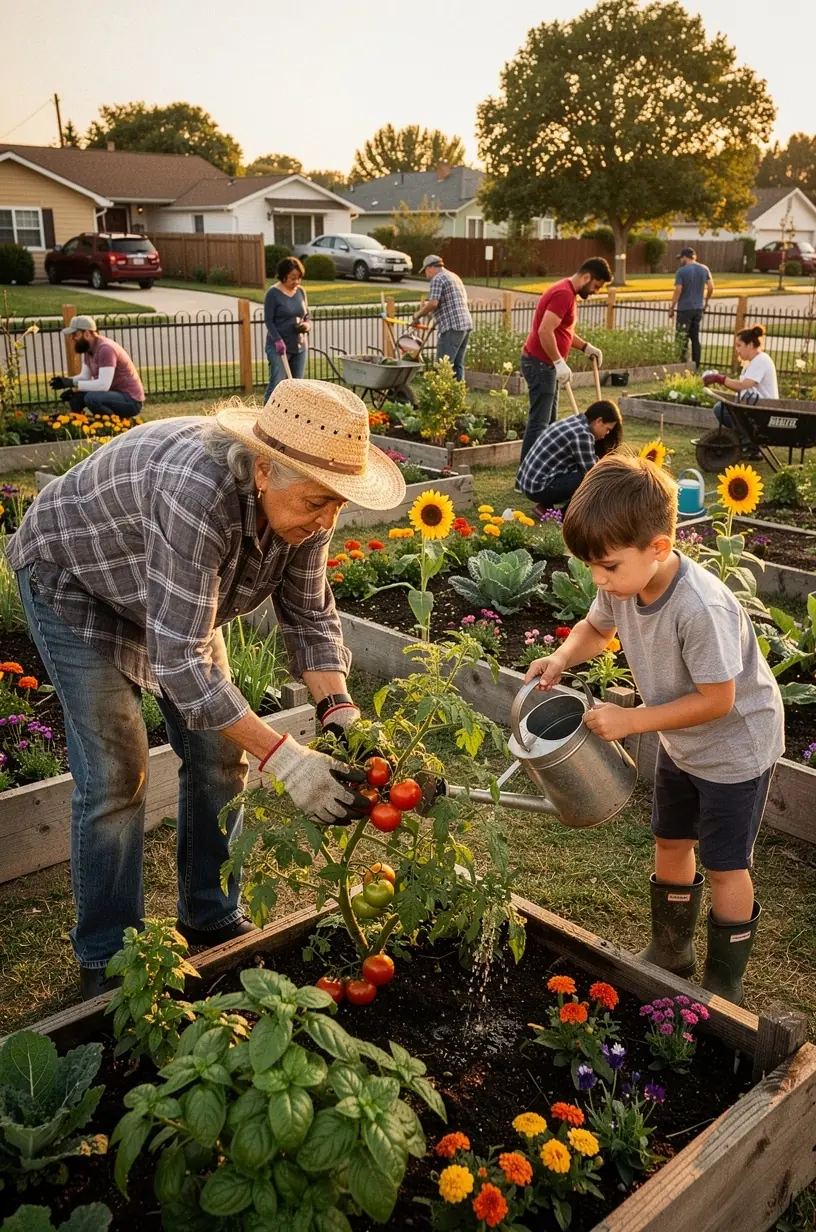
"Active civic participation is a cornerstone of healthy communities," notes the National Civic League.
Steps to Effectively Participate
1. Research the Agenda
Before attending a meeting, take time to review the agenda. Understanding the topics to be discussed allows you to prepare your thoughts and questions. Many community organizations share meeting agendas online, providing an opportunity for you to engage more meaningfully. This preparation can often lead to more insightful contributions.
2. Attend Regularly
Consistency is key. Regular attendance helps you build familiarity with the proceedings and the individuals involved. Many engaged citizens report that attending meetings over time establishes trust and rapport with local leaders and fellow residents, making your voice more impactful. While it may seem challenging to commit to regular attendance, many users find that a habit of participation leads to more significant community connections.
3. Ask Questions
Don't hesitate to ask questions during the meeting. Engaging with speakers and panelists not only clarifies your understanding but also encourages dialogue. Research indicates that asking questions fosters a collaborative atmosphere, making it easier for all participants to share their views and ideas effectively.
4. Be Respectful and Open-Minded
In discussions, differing opinions will arise. Maintaining respect for all viewpoints is crucial in fostering a productive environment. Experts recommend that listening actively and responding thoughtfully contribute to more constructive conversations, allowing for a richer exchange of ideas.
5. Follow Up
After the meeting, consider following up on key points or issues raised. This could be through emails to local officials or discussion in online community forums. Engaging in continued dialogue often leads to improved outcomes in community initiatives and demonstrates your commitment to the issues at hand.
Conclusion
Participating in community meetings can significantly affect local affairs and strengthen community ties. By conducting research, attending regularly, engaging respectfully, and following up, you can enhance your contributions and help foster a collaborative community spirit. Remember, the goal is not only to voice opinions but to engage with others in shaping a better neighborhood.